Trail overview
About Black Peak Expedition
A grounded introduction before you get into route details.
Trail overview
A grounded introduction before you get into route details.
Know before you go
Essential travel, stay and seasonal information at a glance.


Why you will love this trek
Day by day plan
15 Days / 14 Nights • Dehradun to Dehradun
Select a day to view details
Know your fit
A compact readiness check before booking the trek.
Plan your arrival
Travel to Dehradun first, then continue to Kyarkoti-the base village for the trek.



Take a train from Delhi to Dehradun Railway Station. From Dehradun, join the scheduled expedition pickup and travel towards Sankri via Mussoorie, Purola and Mori. Continue towards the expedition trailhead.
 190–200 km
Take a flight from Delhi to Jolly Grant Airport, the nearest major airport to Dehradun. From the airport, hire a taxi to Dehradun city to join the scheduled Black Peak Expedition pickup.
25–30 km
Take an overnight Volvo or ordinary bus from Delhi's Kashmere Gate ISBT to Dehradun. From Dehradun, join the scheduled expedition transfer towards Sankri and the trekking trailhead.
 250–270 km
 Travel by Traveller / Bolero / Shared Taxi, then trek to Kyarkoti.
What is covered
A quick breakup of what is included in the trek cost and what should be planned separately.
Included
Menus can rotate by batch, weather, and campsite logistics.
Not Included
Pack smart
Pack light, layer well, and stay ready for changing mountain weather.
Booking policy
A quick refund and voucher summary before you confirm your trek booking.
Need clarity?
Quick answers to the most common trek questions before you book.
Black Peak Expedition is a challenging high-altitude mountaineering expedition in Uttarakhand. Also known as Kalanag, Black Peak is one of the prominent mountains of the Garhwal Himalayas and offers climbers a demanding journey involving trekking, glacier travel, technical climbing and a high-altitude summit attempt.
Black Peak is located in the Uttarkashi district of Uttarakhand, in the Garhwal Himalayas. The expedition approaches the mountain through the Sankri–Har Ki Dun/Ruinsara Valley region, depending on the planned route and expedition logistics.
Black Peak Expedition is rated Difficult and Technical. It requires excellent physical fitness, proper acclimatisation, previous high-altitude experience and familiarity with basic mountaineering techniques and equipment.
Black Peak, or Kalanag, rises to approximately 6,387 metres (20,955 ft) above sea level.
Black Peak is a mountaineering expedition, not a regular trekking route. The expedition can involve glacier travel, snow and ice terrain, fixed ropes, crampons, harnesses and other technical climbing equipment.
The Himalayasgriffon Black Peak Expedition is planned as a multi-day high-altitude expedition. The exact duration depends on the approach itinerary, acclimatisation schedule, establishment of camps, weather conditions and summit strategy.
The expedition generally begins from the Sankri region of Uttarakhand. From there, the approach progresses through remote Himalayan valleys towards the base camp and higher camps.
No, Black Peak is generally not suitable for complete beginners. Participants should ideally have previous high-altitude trekking or mountaineering experience and be comfortable using basic technical climbing equipment.
Previous mountaineering experience is strongly recommended. Familiarity with crampons, harnesses, ropes, ice axes and basic snow and ice techniques can be important for safely participating in the expedition.
The preferred climbing windows are generally during the pre-monsoon and post-monsoon seasons, depending on snow conditions, weather, permits and route conditions. The final expedition schedule should be based on current mountain conditions.
Black Peak is commonly known as Kalanag, meaning “Black Cobra.” The name is associated with the mountain's distinctive dark appearance and shape when viewed from certain directions.
The expedition can involve forest trails, alpine meadows, moraine, glaciers, snowfields, steep snow and ice slopes and high-altitude mountain terrain. Exact conditions vary with the season and weather.
Accommodation generally includes guest house/homestay stays during the approach and camping at base camp and higher camps, depending on the expedition itinerary and operational conditions.
Yes. Meals are provided according to the Himalayasgriffon expedition package and are generally planned to support participants during the approach, acclimatisation and climbing phases. The exact meal plan is shared before departure.
Transportation depends on the selected Himalayasgriffon package. Pickup, drop-off and road transportation details will be clearly mentioned in the expedition itinerary.
Depending on route and conditions, equipment may include:
The final technical equipment list should be confirmed with the expedition team before departure.
Participants should carry appropriate high-altitude clothing, thermal layers, insulated jacket, waterproof outer layers, gloves, head protection, sunglasses/goggles, sunscreen, personal medicines, headlamp and other items specified in the expedition checklist.
Selected trekking and mountaineering equipment may be available on a rental basis, subject to availability and suitability. Participants should confirm equipment requirements and sizes well before departure.
Mountaineering at this altitude involves inherent risks, including altitude illness, rapidly changing weather, snow and ice hazards, glacier conditions and technical terrain. Proper acclimatisation, experienced expedition leadership, suitable equipment and disciplined safety procedures are essential.
Yes. Acclimatisation is a critical part of the Black Peak Expedition. The itinerary should provide sufficient time for the body to adapt to increasing altitude before moving towards higher camps and attempting the summit.
Yes. A mountaineering expedition to Black Peak requires applicable permissions and documentation from the relevant authorities. Requirements can change, and the necessary permits should be arranged or confirmed before the expedition.
Yes, appropriate insurance is strongly recommended. Participants should ensure that their policy specifically covers high-altitude mountaineering, emergency medical treatment and evacuation at the elevations involved in the expedition.
If snowfall, strong winds, poor visibility, avalanche risk, unstable snow, glacier hazards or other conditions make climbing unsafe, the expedition leader may delay the summit attempt, modify the route, change the camp plan or cancel further climbing.
No. No Himalayan summit can be guaranteed. A summit attempt depends on weather, mountain conditions, participant fitness, acclimatisation, technical conditions and the expedition leader's assessment. Safety always takes priority over reaching the summit.
Summit day is generally the most physically and technically demanding part of the expedition. Climbers may begin very early and spend several hours moving through snow, ice and steep high-altitude terrain before attempting to reach the summit and descend safely.
Participants should have excellent cardiovascular endurance, leg strength, stamina and the ability to perform for extended periods at high altitude. Structured physical preparation should begin well before the expedition.
With Himalayasgriffon, the focus is on a professionally organised high-altitude expedition with careful acclimatisation, experienced mountain support, planned logistics and a safety-first approach throughout the journey.
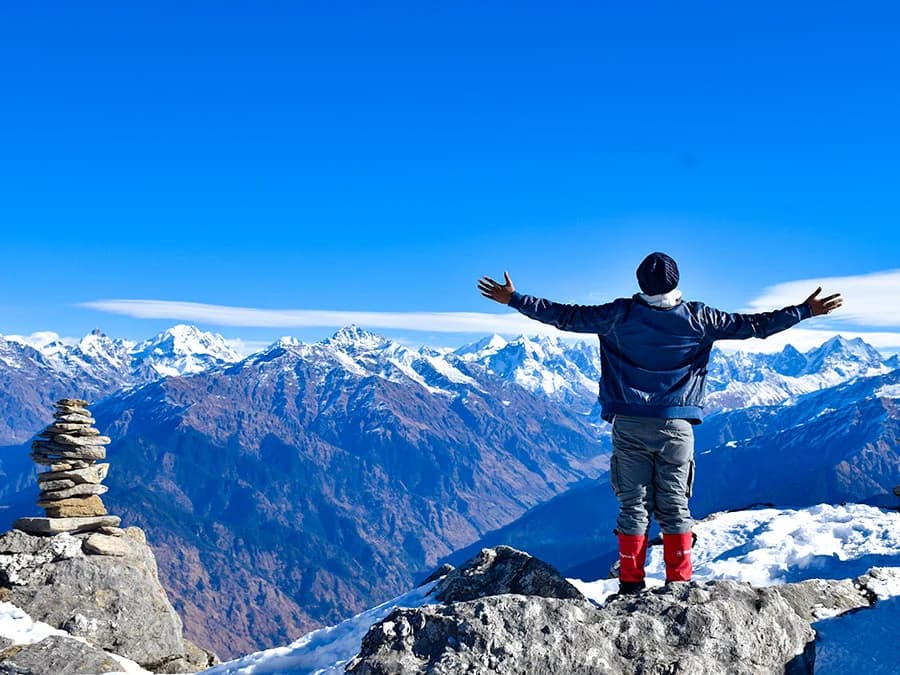
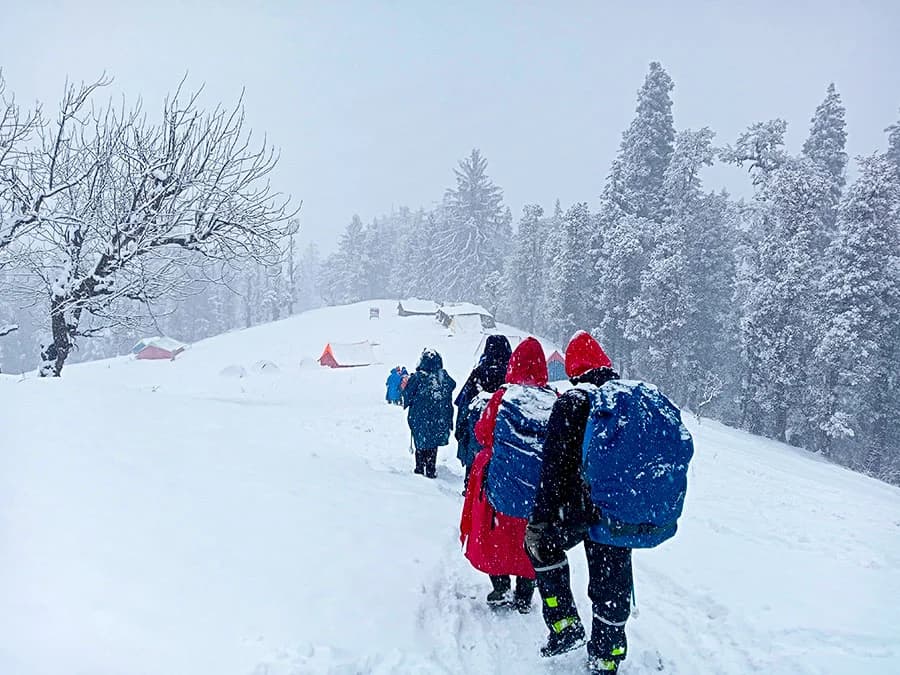
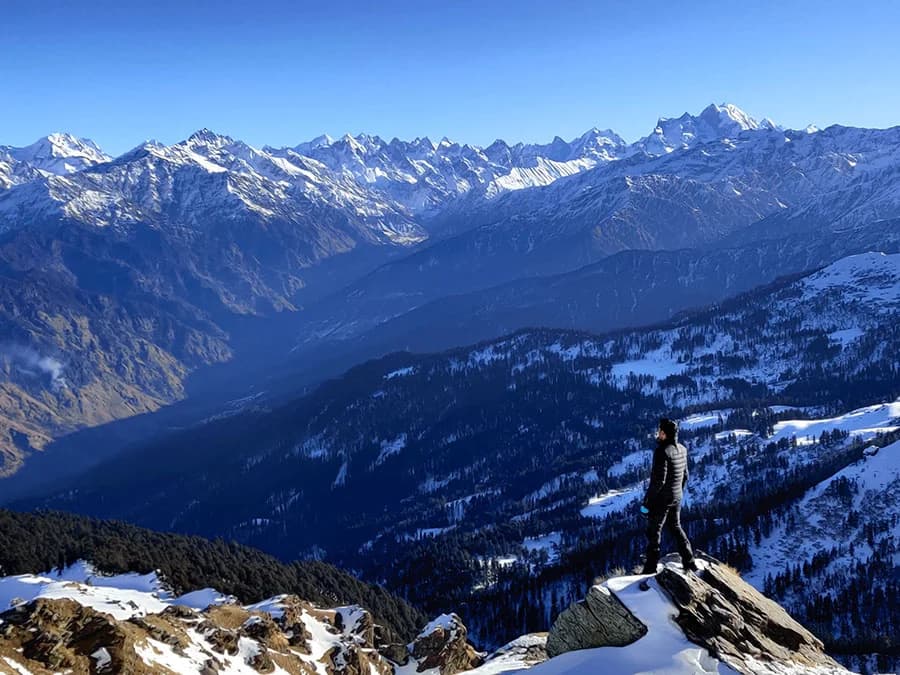
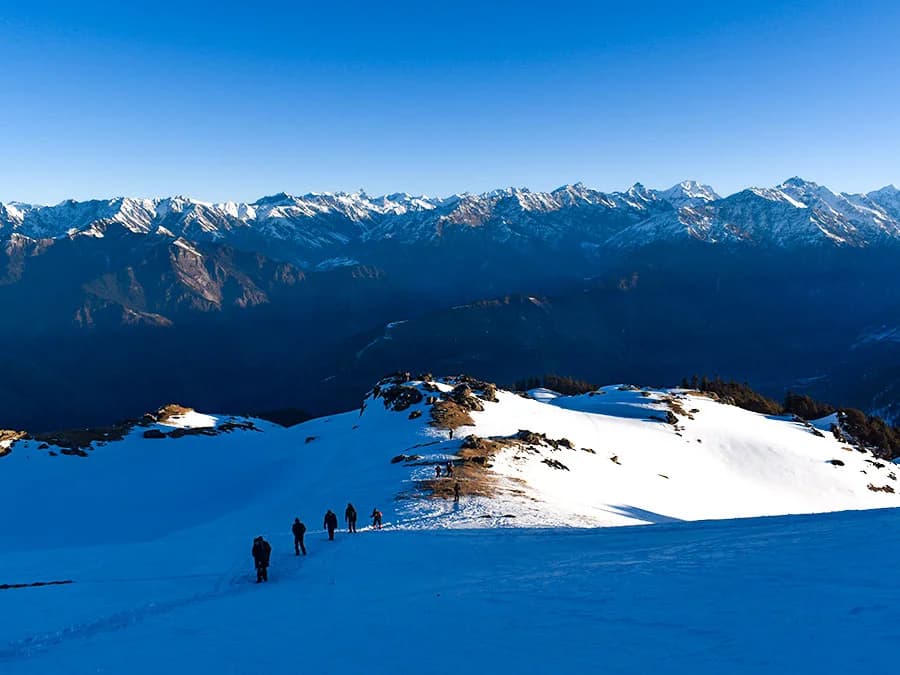
See the trail
Explore Black Peak Expedition through photographs and trail films.
Safety first
Clear mountain protocols, practical field response, and slow-and-steady pacing shape every Gaumukh Tapovan Trek batch we run.
Traveller Stories
Real experiences from people who explored the Himalayas with us.
It was an amazing trekking experience! The arrangements were perfect, guides were super helpful, and the overall vibe was just awesome. We enjoyed every moment and created unforgettable memories. Highly recommended for every adventure lover!
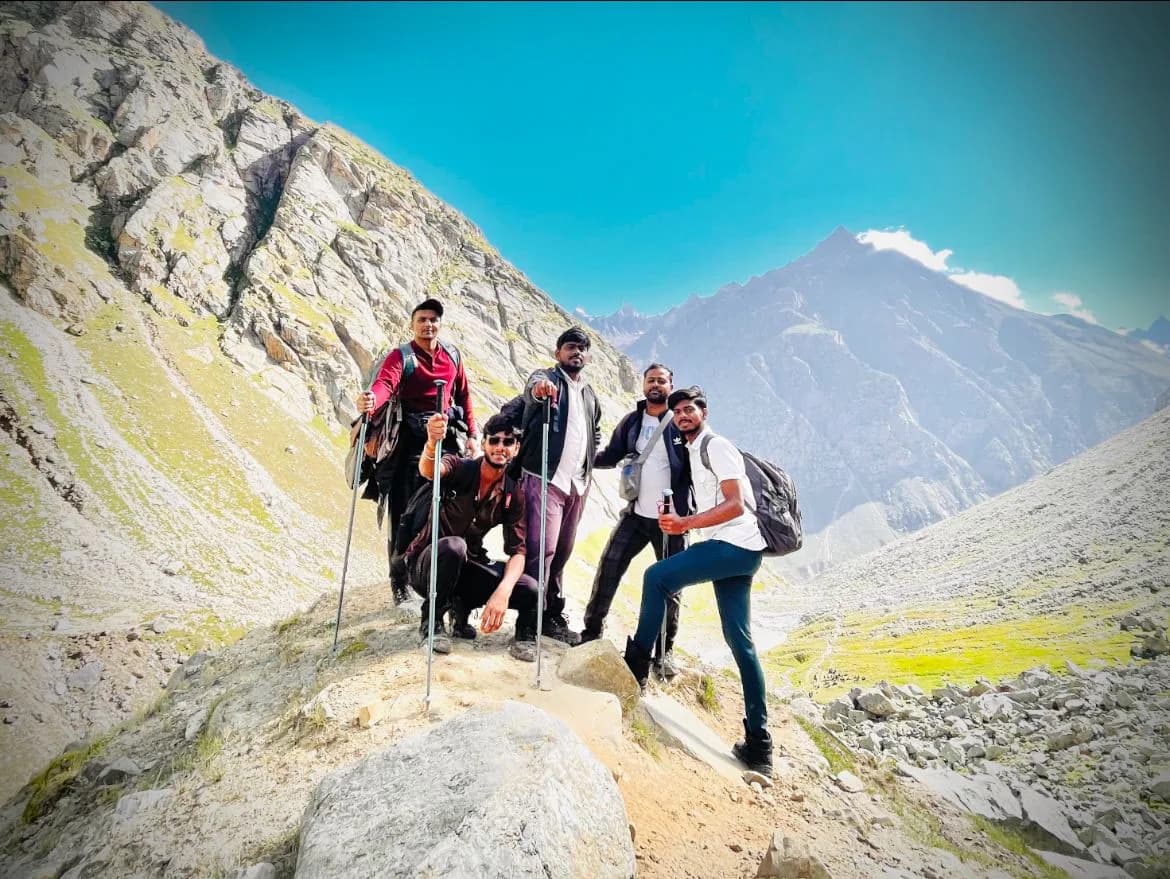
Points that really worked for me. All home stay we stayed, Wherher it was at Sankari or Osla were very comfortable and great hospitality. Timely food and family like atmosphere in mountains and when you are seating in the tent when it rains outside, the conversations and stories from our Trek leader Suraj were interesting and entertaining. Suraj Rana definitely should be your trek guide. But be prepared for the mountains. As they say Mumbai ka fashion aur pahado ka Mausam kabhi bhi badal sakta hai Thanks Suraj Rana
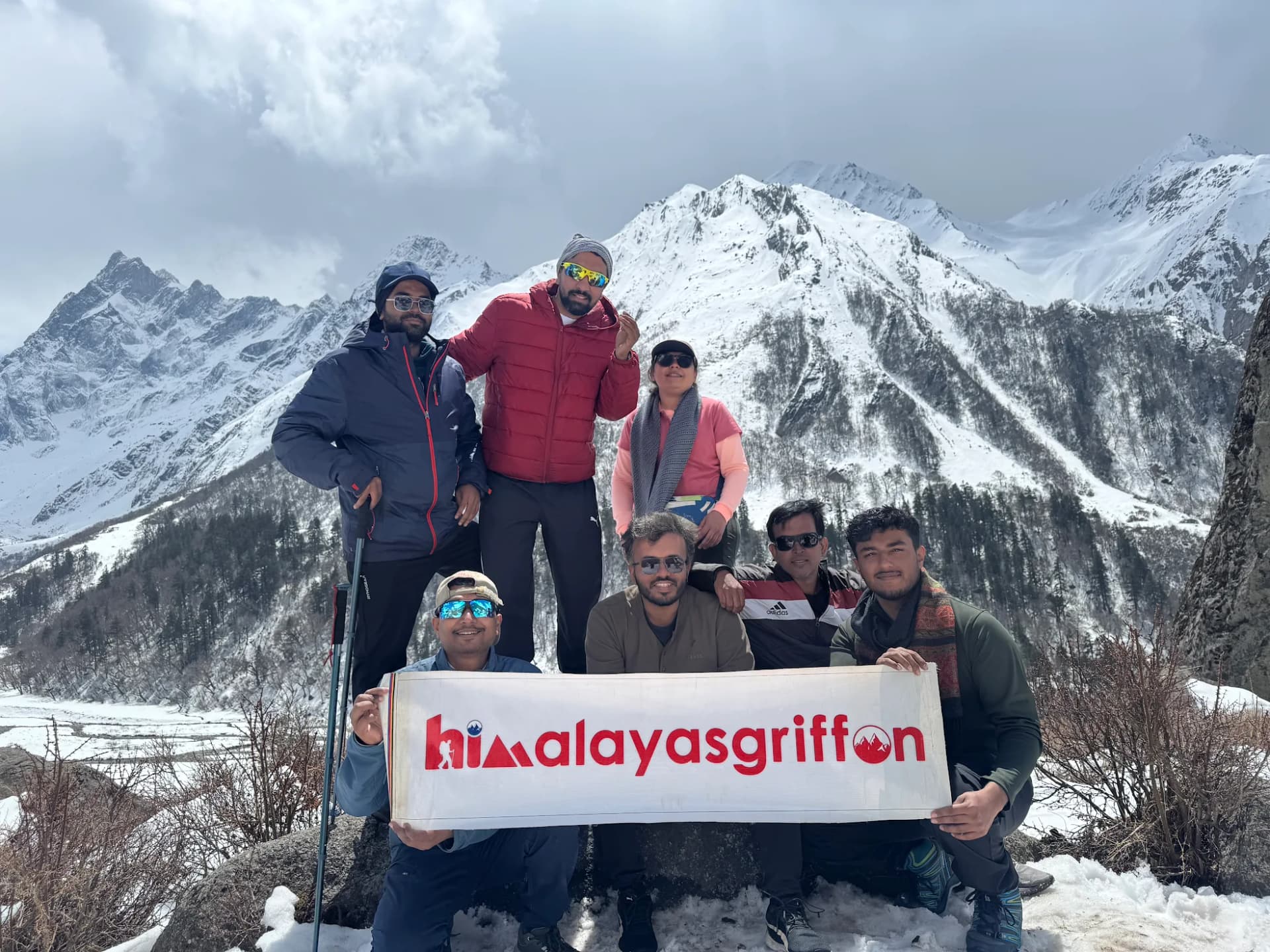
My trip was great with himalayasgriffon❤️ .Food was nice. Our trek leader vijalu sir was very helpful and supportive, thanks
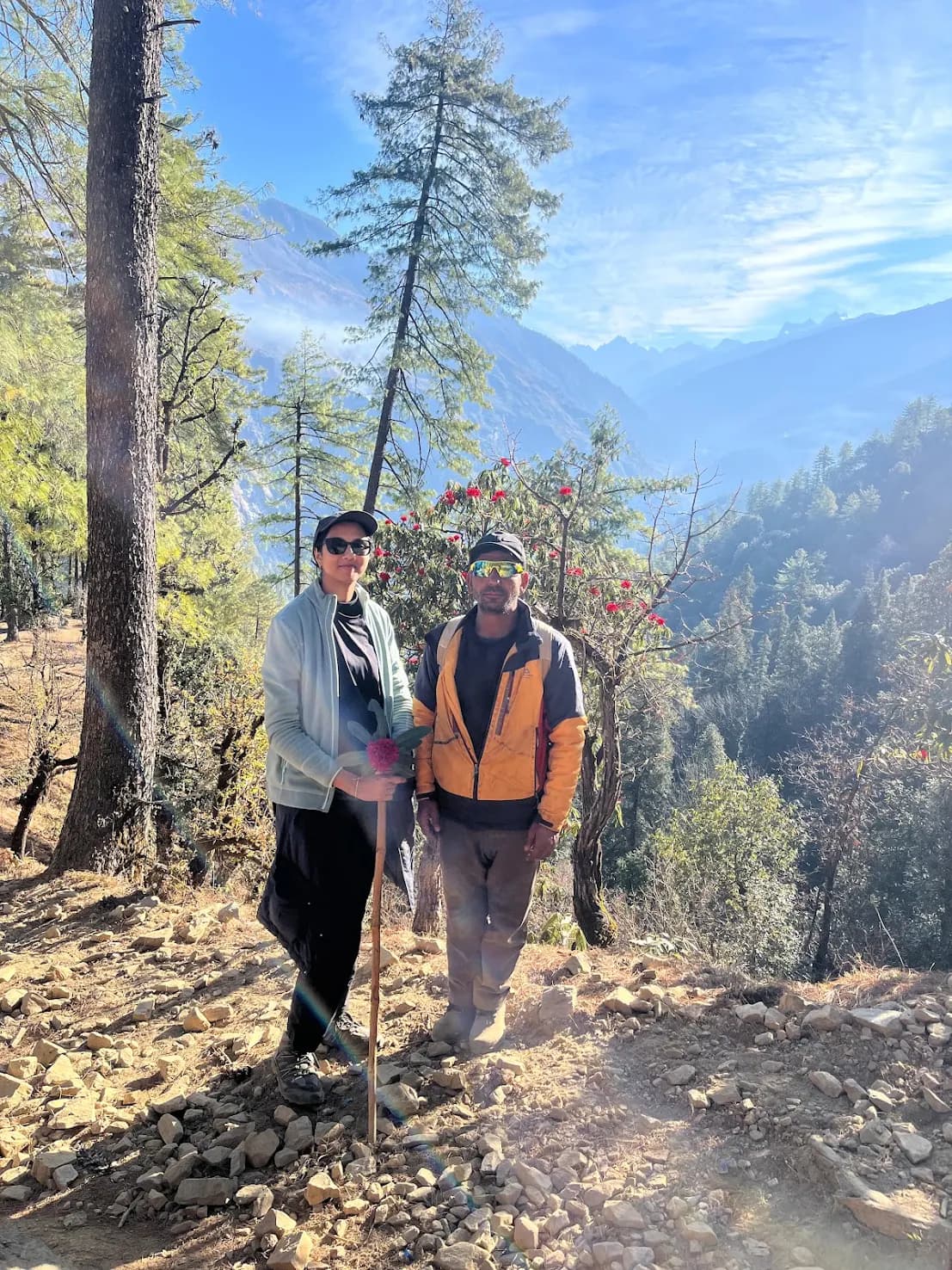
Had a great experience with the Himalayasgriffon. Shoutout to our trek leader Chaitnaya and Suraj sir without them things would have not been this smooth. Thank you to both the leaders for all the support.