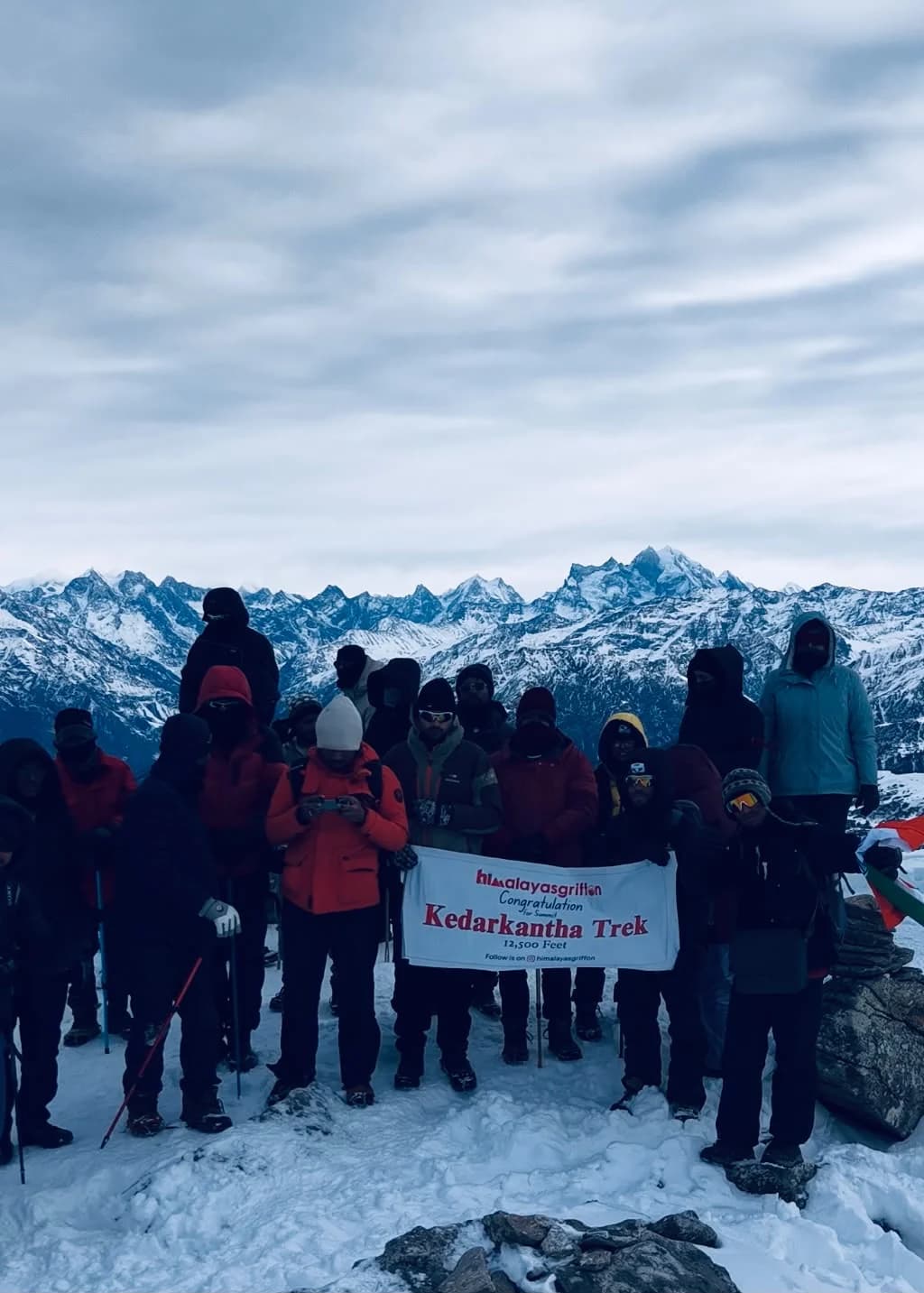
The Kedarkantha Trek is one of the most popular Himalayan trekking experiences in Uttarakhand, India. Famous for its snow-covered landscapes, beautiful forest trails, peaceful campsites, and breathtaking summit views, this trek attracts adventure lovers, nature enthusiasts, photographers, couples, solo travellers, and first-time trekkers from across the country.
Located in the Govind Pashu Vihar National Park and Wildlife Sanctuary region of Uttarkashi district, the Kedarkantha Trek begins from Sankri, a picturesque mountain village surrounded by forests and Himalayan scenery. Sankri serves as the starting point for several famous treks, including Kedarkantha, Har Ki Dun, and Bali Pass.
One of the biggest attractions of this trek is its summit, which stands at approximately 12,500 feet above sea level. From the top, trekkers can witness spectacular views of snow-covered Himalayan peaks, mountain ridges, and vast alpine landscapes. During winter, fresh snowfall transforms the trail into a beautiful white wilderness, making Kedarkantha an unforgettable adventure.
Whether you are planning your first Himalayan trek or looking for a memorable winter getaway, Kedarkantha offers a wonderful combination of adventure, natural beauty, and authentic mountain culture.
Kedarkantha Trek Overview
- Trek Name: Kedarkantha Trek
- Location: Uttarkashi district, Uttarakhand, India
- Starting Point: Sankri village
- Duration: 5 Days / 4 Nights
- Maximum Altitude: Approximately 12,500 feet
- Trek Distance: Approximately 19–20 km, depending on the route
- Difficulty Level: Easy to Moderate
- Best Season: Winter and spring, subject to weather and trail conditions
- Nearest Major City: Dehradun
- Ideal For: Beginners, adventure enthusiasts, nature lovers, and groups
- Accommodation: Guesthouses and camps, depending on the itinerary
- Popular Attraction: Kedarkantha summit sunrise
Actual distances, campsite locations, and itineraries may vary according to weather, forest permissions, and operational conditions.
Where Is Kedarkantha Trek Located?
Kedarkantha is located in the Garhwal Himalayas of Uttarakhand, within the Uttarkashi district. The trek takes place in the scenic Himalayan region surrounding Sankri village, which is known for its traditional wooden houses, mountain culture, dense forests, and spectacular natural surroundings.
The journey to Sankri is an adventure in itself. Travellers pass through mountain roads, river valleys, pine forests, and charming Himalayan settlements. As the road climbs towards Sankri, the landscape gradually changes, offering beautiful views of the surrounding mountains.
Sankri is especially important for trekkers because it provides access to several trekking routes in the region. Local guides, homestays, guesthouses, and trekking operators make it a convenient base for exploring the surrounding mountains.
For travellers who want to experience the Himalayas beyond popular tourist destinations, Sankri offers a peaceful atmosphere and an opportunity to understand the lifestyle of local mountain communities.
Why Is the Kedarkantha Trek So Popular?
The Kedarkantha Trek has become a favourite among trekking enthusiasts because it combines an achievable summit challenge with spectacular Himalayan scenery.
1. Beautiful Snow-Covered Landscapes
During suitable winter conditions, the trail is covered with snow, creating a magical mountain environment. Snow-covered pine trees, frozen patches along the trail, white meadows, and mountain campsites make the experience particularly memorable.
Snowfall is weather-dependent, so the amount of snow cannot be guaranteed for every departure.
2. A Rewarding Himalayan Summit
Reaching the Kedarkantha summit is one of the most exciting parts of the journey. The climb generally begins early in the morning, allowing trekkers to reach the summit around sunrise when conditions permit.
From the top, the surrounding mountain ranges create a spectacular panoramic view. The feeling of reaching the summit after several days of walking is rewarding for both beginners and experienced hikers.
3. Suitable for Many First-Time Trekkers
Kedarkantha is often recommended to beginners because its itinerary allows trekkers to gradually gain altitude over several days. However, the summit day can be physically demanding, especially when the trail is snowy or icy.
A reasonable level of fitness, suitable clothing, proper acclimatisation, and guidance from qualified trek leaders are important.
4. Beautiful Forest Trails
The trail passes through forests dominated by pine, oak, and other Himalayan vegetation. Walking through these peaceful forests offers a refreshing escape from city life.
The changing scenery throughout the trek ensures that the experience is not limited to the summit alone.
5. Camping Under the Himalayan Sky
Camping in the mountains is another highlight of Kedarkantha. Depending on the itinerary and weather, trekkers may stay at scenic campsites surrounded by forests, meadows, and mountain ridges.
Clear nights can offer beautiful views of the stars, while early mornings bring crisp mountain air and stunning natural scenery.
Best Time to Visit Kedarkantha Trek
Kedarkantha can be explored during different seasons, but the experience changes considerably depending on snowfall, temperature, and trail conditions.
December to February: Winter Trekking
Winter is popular among trekkers hoping to experience snow-covered landscapes. The forest trails, campsites, and mountain surroundings can look spectacular after fresh snowfall.
Temperatures can fall significantly, particularly at night and near the summit. Warm layered clothing, insulated gloves, suitable trekking footwear, and a good sleeping system are essential.
Heavy snowfall, strong winds, or unsafe trail conditions may affect departures and summit attempts.
March to April: Late Winter and Spring
March and early April can offer a combination of remaining snow, forest scenery, and changing seasonal conditions. Snow availability varies with elevation and the weather experienced during the season.
This period may appeal to trekkers who want a quieter mountain atmosphere while still having the possibility of encountering snow.
May to June: Summer Trekking
During summer, lower sections of the trail become greener, and the weather can be comparatively comfortable during the day. Snow may remain at higher elevations, but continuous snow coverage should not be expected.
Summer is a good option for travellers who enjoy forest trails and Himalayan scenery without necessarily prioritising a completely snow-covered landscape.
September to November: Autumn Trekking
After the monsoon, the region can offer clear mountain views, fresh vegetation, and pleasant trekking conditions when the weather is stable. Autumn is particularly attractive to photographers and nature lovers.
Snowfall is generally less predictable during this period, so travellers should not book an autumn departure expecting guaranteed winter conditions.
Important: The best time for your trek depends on your priorities, weather forecasts, trail conditions, and the availability of authorised trekking departures.
Kedarkantha Trek Itinerary: 5 Days / 4 Nights
The following is a typical itinerary. Exact campsites and timings may change depending on operational arrangements, weather, and safety requirements.
Day 1: Dehradun to Sankri
Your Himalayan journey begins in Dehradun, where the group assembles for the drive to Sankri. The journey generally takes around 10–11 hours, depending on road conditions, traffic, and weather.
Along the way, you pass through mountain towns, river valleys, and beautiful landscapes of Uttarakhand. The drive provides an introduction to the region’s natural beauty and local culture.
On reaching Sankri, check in to your guesthouse or allocated accommodation. Meet the trekking team, complete any required formalities, and attend a briefing about the route, equipment, weather, and safety guidelines.
Overnight stay: Sankri.
Day 2: Sankri to Juda Ka Talab
After breakfast, begin the trek towards Juda Ka Talab. The trail gradually climbs through forests and mountain paths, offering a peaceful introduction to Himalayan trekking.
During winter, sections of the trail may be covered with snow. Trekkers should walk carefully and follow the trek leader’s instructions, particularly on slippery sections.
Juda Ka Talab is a scenic lake surrounded by forest and mountain vegetation. Its appearance changes with the season, and parts of the area may be frozen in colder weather.
After reaching the campsite, settle into your accommodation, enjoy a warm meal, and rest for the next day’s climb.
Overnight stay: Juda Ka Talab campsite or the designated nearby campsite.
Day 3: Juda Ka Talab to Kedarkantha Base Camp
After breakfast, continue towards Kedarkantha Base Camp. The trail gradually gains elevation and provides increasingly impressive views of the surrounding mountains.
The forest begins to open up in places, revealing mountain ridges and scenic clearings. During winter, snow-covered terrain can make this section more challenging.
Upon reaching the designated campsite, take time to rest, hydrate, and prepare for summit day. Your trek leader should explain the early-morning departure, expected weather, equipment requirements, and turnaround criteria.
A good night’s rest is important before the summit attempt.
Overnight stay: Designated Kedarkantha Base Camp campsite or an authorised alternative.
Day 4: Summit Attempt and Descent
Summit day is often the most challenging and memorable part of the Kedarkantha Trek. The group usually starts early, subject to weather, visibility, and trail conditions.
The climb can be steep in places, and snow or ice may increase the physical difficulty. Move at a steady pace, maintain sufficient distance from other trekkers, and follow the trek leader’s directions.
On reaching the summit, trekkers may enjoy panoramic views of the surrounding Himalayan peaks and mountain ridges, depending on visibility and weather.
After spending an appropriate amount of time at the summit, begin the descent towards the designated lower campsite or Sankri, depending on the operator’s approved itinerary and prevailing conditions.
Summit success is never guaranteed. If weather or trail conditions become unsafe, the trek leader may modify the route or cancel the summit attempt.
Overnight stay: Designated campsite or Sankri, depending on the planned itinerary.
Day 5: Return to Sankri or Dehradun
Depending on the operator’s schedule, the final day involves returning to Sankri and continuing towards Dehradun, or completing the journey from Sankri if the itinerary has already included the descent.
Travellers should avoid scheduling tight onward connections because mountain roads may experience delays due to weather, traffic, or road conditions.
After returning to Dehradun, the trek concludes with lasting memories of the Himalayan landscape and the summit adventure.
Difficulty Level of the Kedarkantha Trek
The Kedarkantha Trek is generally classified as easy to moderate, but this does not mean that it is effortless.
The route involves several days of walking, gradual elevation gain, uneven trails, and a demanding summit climb. Snow and ice can make the terrain considerably more difficult.
Beginners should prepare by improving their cardiovascular endurance and leg strength before departure.
A useful preparation routine includes:
- Brisk walking or jogging several times a week.
- Stair climbing to build leg strength and stamina.
- Squats and lunges to improve lower-body strength.
- Practice walks with a light backpack.
- Gradually increasing walking duration and distance.
Start training several weeks before the trek, adjusting the intensity to your fitness level. People with medical concerns should seek appropriate medical advice before attempting a high-altitude trek.
How to Reach Kedarkantha Trek
By Train
Dehradun Railway Station is the most convenient major railway station for many travellers. From there, trekkers can arrange onward transportation to Sankri.
By Air
Jolly Grant Airport serves Dehradun and the surrounding region. Travellers arriving by air can continue by road, allowing sufficient time for the journey to Sankri.
By Road
Sankri is connected to Dehradun by road. The journey usually takes around 10–11 hours, although actual travel time depends on traffic, road conditions, weather, and stops.
It is advisable to arrive in Dehradun at least a day before the scheduled trek departure if possible. This provides additional flexibility in case of travel delays.
What to Pack for the Kedarkantha Trek
Packing correctly is essential, particularly during winter.
Clothing
- Thermal base layers.
- Fleece or insulating mid-layers.
- A warm insulated jacket.
- Waterproof and wind-resistant outerwear.
- Trekking trousers.
- Woollen socks and spare pairs.
- Warm gloves and an additional insulated pair.
- Woollen cap and neck warmer.
- Comfortable clothes for the journey.
Footwear
Wear sturdy trekking shoes with good grip and ankle support. During snowy conditions, appropriate traction equipment may be required, depending on the trail and operator’s safety assessment.
Carry spare laces and comfortable camp footwear.
Personal Essentials
- A reusable water bottle or insulated bottle.
- Sunscreen and lip balm.
- Sunglasses with UV protection.
- Personal toiletries.
- Headlamp with spare batteries.
- Personal medication.
- Small personal first-aid essentials.
- Power bank, subject to cold-weather battery performance.
- Identity documents required for permits.
Backpack Essentials
Carry a comfortable backpack with rain protection and enough space for essential clothing and personal equipment.
Keep frequently used items accessible. Pack heavier items close to your back, and avoid carrying unnecessary weight.
Always confirm the final packing list with your trekking operator because equipment requirements vary by season and package.
Food and Accommodation During the Trek
The Kedarkantha Trek generally includes a combination of guesthouse accommodation and camping, depending on the itinerary.
At Sankri, travellers may stay in a guesthouse, homestay, or other designated accommodation. Higher on the trail, overnight stays typically take place at authorised campsites.
Meals are usually simple, nutritious, and designed to support trekkers during the journey. Depending on the package, meals may include breakfast, lunch, evening snacks, and dinner.
Vegetarian meals are commonly offered, while egg availability depends on the operator and campsite arrangements.
Because temperatures can drop sharply at night, warm sleeping bags, suitable sleeping mats, insulated clothing, and proper tent arrangements are important.
Travellers should confirm accommodation standards, room-sharing arrangements, meal plans, and equipment inclusions before booking.
Safety Guidelines for the Kedarkantha Trek
Safety should always be the priority during a Himalayan trek.
Follow Your Trek Leader
Listen carefully to instructions regarding walking pace, route selection, weather, and summit timing. Avoid leaving the group without informing the trek leader.
Stay Hydrated
Cold weather can reduce the sensation of thirst, but dehydration can still occur. Drink water regularly and avoid waiting until you feel thirsty.
Recognise Altitude-Related Symptoms
Headache, nausea, dizziness, unusual fatigue, and loss of appetite can occur at altitude. Report symptoms promptly to the trek leader. Severe or worsening symptoms require immediate assessment and may require descent.
Prepare for Cold Weather
Wear multiple layers and protect your hands, feet, head, and face. Avoid remaining in wet clothing for extended periods.
Respect Weather Decisions
The summit should never take priority over safety. Strong winds, poor visibility, heavy snowfall, or dangerous trail conditions may require a delayed start, route modification, or cancellation.
Carry Essential Safety Equipment
The trekking team should have suitable first-aid supplies, communication arrangements, emergency procedures, and equipment appropriate to the route and conditions.
Responsible and Sustainable Trekking
The Kedarkantha region is home to fragile Himalayan ecosystems and local communities whose livelihoods are connected to the mountains.
Trekkers should follow responsible tourism practices throughout their journey.
- Carry personal waste back to designated disposal points.
- Avoid single-use plastics wherever possible.
- Do not litter forests, campsites, or water sources.
- Respect local traditions and village customs.
- Avoid disturbing wildlife.
- Stay on designated trails.
- Use water responsibly.
- Follow camping and forest regulations.
- Choose operators who prioritise responsible trekking practices.
Sustainable tourism helps protect the natural beauty of the region and supports the communities who make Himalayan trekking possible.
Why Choose Himalayasgriffon for the Kedarkantha Trek?
Himalayasgriffon is a locally based trekking and adventure company operating from Sankri and Dehradun, Uttarakhand. Our connection with the region helps us provide travellers with a more personal experience of the mountains.
We believe that a memorable trek involves more than reaching the summit. It also means understanding the local landscape, travelling responsibly, receiving clear information, and having a team that supports you throughout the journey.
Local Mountain Knowledge
Our Sankri connection helps us share practical knowledge of the trekking region, local culture, and trail conditions.
Experienced Trek Leaders and Local Guides
Our trekking arrangements focus on guidance, coordination, and safety throughout the journey. The experience and staffing of each departure should be confirmed when booking.
Clear Package Information
We aim to explain the itinerary, inclusions, exclusions, accommodation arrangements, transportation, and additional expenses before departure.
Support Throughout the Journey
From the initial enquiry to trek preparation and departure coordination, our team helps travellers understand what to expect and how to prepare.
Supporting Local Communities
By choosing local trekking services and respecting mountain communities, travellers can contribute to the regional economy and responsible tourism.
Kedarkantha Trek Package: What Is Included?
Package inclusions vary by departure and price. Depending on the selected package, arrangements may include:
- Accommodation in Sankri.
- Camping accommodation during the trek.
- Meals according to the itinerary.
- Transportation from Dehradun, if specified.
- Trek leaders and local guides.
- Camping and sleeping equipment.
- Required permits and forest fees, where included.
- First-aid and emergency support arrangements.
- Assistance with trekking preparation.
Items such as personal trekking equipment, insurance, travel to Dehradun, additional accommodation, and expenses arising from delays may be excluded.
Always review the written package details before confirming your booking.
Frequently Asked Questions About the Kedarkantha Trek
1. Is Kedarkantha suitable for beginners?
Yes, it is often suitable for beginners with reasonable fitness and proper preparation. Winter conditions and summit day can be challenging, so follow professional guidance.
2. How many days are required for Kedarkantha?
A common itinerary is five days and four nights, although longer itineraries may be available depending on the operator and travel arrangements.
3. Is snow guaranteed on the Kedarkantha Trek?
No. Snowfall and snow coverage vary with weather, temperature, elevation, and season.
4. What is the maximum altitude?
The summit is commonly described as approximately 12,500 feet above sea level.
5. What is the total trekking distance?
The commonly advertised trekking distance is approximately 19–20 km, although the actual distance depends on the route and campsite arrangements.
6. Can solo travellers join a group?
Many trekking operators offer scheduled group departures. Availability, group size, and room-sharing arrangements should be confirmed before booking.
7. Is the trek physically demanding?
The trek requires several days of walking, and the summit climb can be strenuous. Physical preparation improves comfort and helps reduce fatigue.
8. What should I wear during winter?
Thermal layers, an insulating jacket, waterproof outerwear, warm gloves, a woollen cap, suitable trekking trousers, and appropriate trekking shoes are essential.
9. Is transportation from Dehradun included?
Transportation may be included in selected packages. Confirm the pickup point, departure time, return arrangements, and any additional charges before booking.
10. How can I book the Kedarkantha Trek?
Contact Himalayasgriffon to enquire about upcoming departures, package prices, availability, inclusions, and booking requirements.
Conclusion: Begin Your Himalayan Adventure with Himalayasgriffon
The Kedarkantha Trek offers an incredible opportunity to explore the beauty of the Garhwal Himalayas. From the charming village of Sankri and peaceful forest trails to scenic campsites and the excitement of a summit attempt, every stage of the journey offers something special.
It is an excellent choice for travellers looking to experience mountain adventure, enjoy breathtaking scenery, challenge themselves physically, and discover the culture of Uttarakhand.
With suitable preparation, responsible trekking practices, and an experienced team, your Kedarkantha journey can become one of your most memorable travel experiences.
Plan your Kedarkantha Trek with Himalayasgriffon and experience the Himalayas with local mountain knowledge, personalised support, and a passion for responsible adventure.
Instagram: @himalayasgriffo