
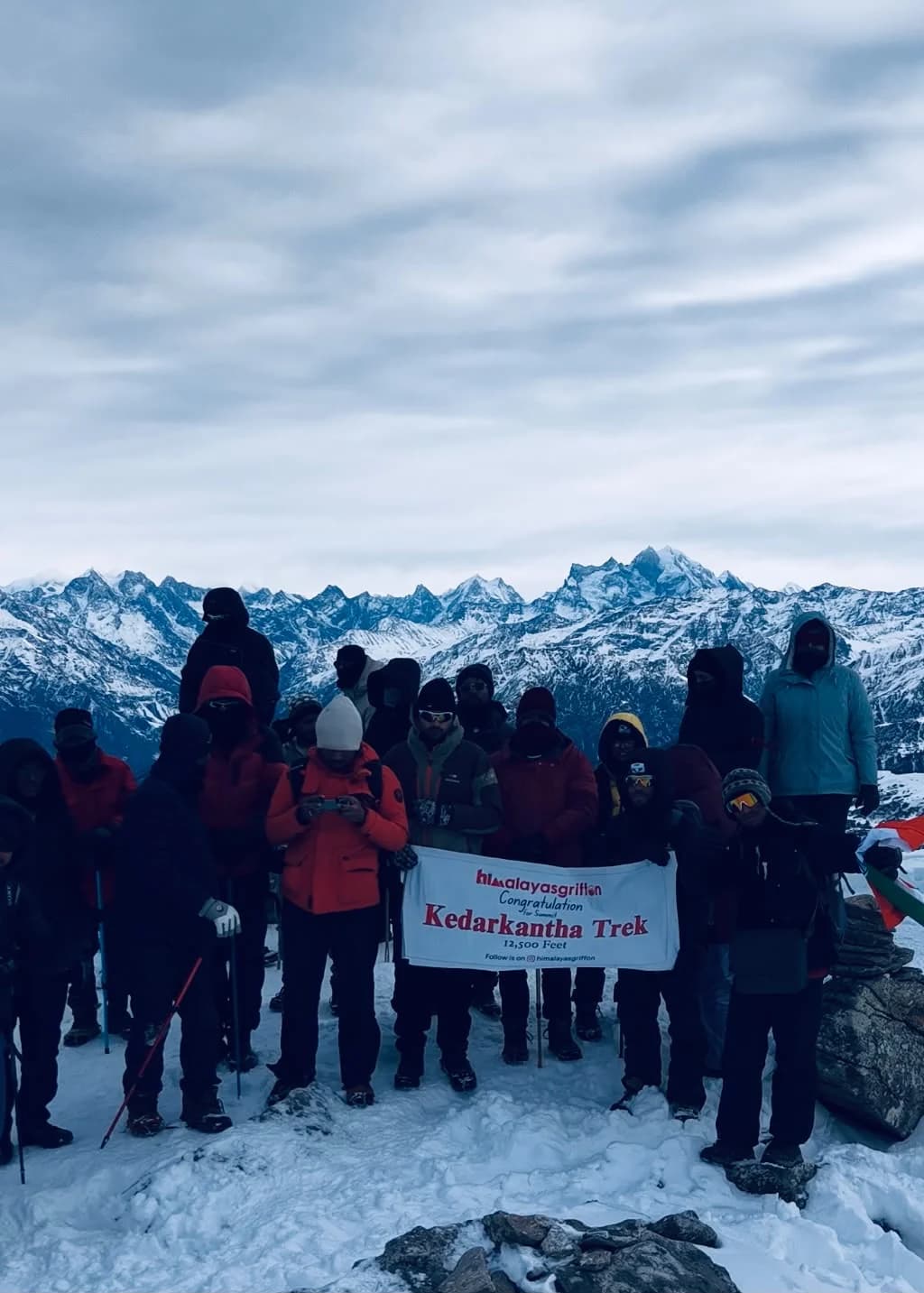
Planning a solo Kedarkantha Trek? Discover everything you need to know about trekking alone in the Himalayas, including safety, the best time to visit, fitness preparation, packing essentials, itinerary, and how to join a guided trek as a solo traveller.
The Kedarkantha Trek in Uttarakhand is one of the most popular Himalayan adventures for beginners and experienced mountain lovers. Located in the Govind Wildlife Sanctuary region, the trek is known for its beautiful forest trails, snow-covered landscapes during winter, peaceful campsites, and panoramic mountain views from the summit.
If you love travelling independently, meeting new people, and experiencing the mountains at your own pace, Kedarkantha can be an excellent adventure. However, solo travel and trekking alone in remote Himalayan terrain are two different things. Weather changes, snow-covered trails, altitude, and limited connectivity make proper planning essential.
With the right preparation, you can enjoy the freedom of solo travel while making safety your priority.
Can You Do the Kedarkantha Trek Solo?
Yes, solo travellers can plan a Kedarkantha adventure. However, trekking independently without a guide or group is not recommended for beginners, particularly during winter when snow and poor visibility can make navigation difficult.
A practical option is to travel to the mountains solo and join an organised trekking group. You can begin your journey alone, meet fellow trekkers, share the experience, and benefit from experienced trek leaders and local support.
Before starting, check current local regulations, permit requirements, weather conditions, and the operator’s safety arrangements.
5 Reasons to Choose Kedarkantha for a Solo Adventure
1. A welcoming experience for beginners
Kedarkantha is often chosen by first-time Himalayan trekkers. With suitable fitness, preparation, and a guided itinerary, it can be a rewarding introduction to mountain trekking.
2. Meet fellow travellers
Joining a group gives solo travellers the opportunity to meet people from different cities and backgrounds. Shared trails, campsite conversations, and the summit experience often become memorable parts of the journey.
3. Beautiful Himalayan landscapes
The route passes through forests, mountain clearings, and scenic campsites. In suitable winter conditions, snow can transform the landscape into a spectacular Himalayan setting.
4. A memorable summit experience
The climb towards Kedarkantha summit is one of the highlights of the trek. Clear weather may offer expansive views of surrounding Himalayan peaks. Summit success depends on weather, trail conditions, fitness, and the trek leader’s safety assessment.
5. An opportunity to disconnect
Time in the mountains can offer a break from busy routines, constant notifications, and city life. Enjoy the journey, respect the local environment, and allow yourself time to appreciate the experience.
Kedarkantha Trek: Quick Overview
- Location: Sankri region, Uttarkashi district, Uttarakhand
- Duration: Approximately 5 days / 4 nights, depending on the itinerary
- Maximum altitude: Approximately 12,500 ft (3,810 m)
- Trek distance: Around 19 km, depending on the route and itinerary
- Difficulty: Easy to moderate for reasonably fit trekkers; winter conditions can increase difficulty
- Best-known season: December to March for winter scenery, subject to actual snowfall and trail conditions
- Starting point: Sankri
- Recommended for solo travellers: Joining an organised group is a practical choice, especially for first-timers
Best Time for a Solo Kedarkantha Trek
Winter: December to March
Winter attracts trekkers looking for snow-covered forests, white landscapes, and a classic Himalayan winter experience. Snowfall and trail conditions vary from year to year, so confirm current conditions before booking.
Spring: March to April
As winter transitions into spring, the landscape begins to change. You may experience a mix of lingering snow, forest trails, and clearer walking conditions, depending on the season.
Autumn: September to November
Autumn is appealing for clearer skies, crisp mountain air, and mountain views. Conditions can become cold, especially at night, so warm clothing remains essential.
Tip: Choose your dates based on your experience, preferred scenery, and the current mountain forecast rather than assuming snow will always be present.
How to Reach Kedarkantha as a Solo Traveller
Most itineraries begin with travel from Dehradun to Sankri, the base village for the trek.
Step 1: Reach Dehradun. Arrive by train, bus, or flight, depending on your travel plans.
Step 2: Travel to Sankri. The road journey usually takes around 10–11 hours, but travel time can vary with traffic, road conditions, and weather. Confirm your transport arrangements in advance.
Step 3: Meet your trekking team. Complete the required registration and briefing, check your equipment, and confirm the next day’s schedule.
Step 4: Begin the trek. Follow your trek leader’s instructions, maintain a comfortable pace, and keep your group informed if you feel unwell.
If you are travelling alone from another city, consider arriving in Dehradun with enough time to manage delays rather than relying on a tight connection.
Suggested 5-Day Kedarkantha Trek Itinerary
Day 1: Dehradun to Sankri
Travel through the mountain roads to Sankri. Check in, rest, and prepare for the trek.
Day 2: Sankri to Juda Ka Talab
Begin walking through forest trails towards the campsite near Juda Ka Talab. The exact camping arrangements depend on the operator and current permissions.
Day 3: Juda Ka Talab to Kedarkantha Base Camp
Continue uphill through scenic forest sections and open clearings. Rest well and prepare for the summit attempt.
Day 4: Summit Attempt and Descent
Start early if conditions permit. Your trek leader will assess the weather, visibility, snow, and group fitness before deciding whether to proceed. Descend according to the approved itinerary and campsite plan.
Day 5: Return to Sankri and onward travel
Complete the return journey according to your package. Allow a buffer if you have a train or flight to catch from Dehradun.
Note: Itineraries may change due to weather, safety decisions, permits, or local trail conditions.
Essential Safety Tips for Solo Trekkers
Your independence should never come at the expense of mountain safety.
- Choose a reliable operator: Check recent reviews, inclusions, guide arrangements, emergency procedures, and group size.
- Do not trek alone on unfamiliar winter trails: Snow can hide trail markers and make navigation difficult.
- Share your itinerary: Let a trusted person know your route, operator details, and expected return date.
- Prepare physically: Build walking endurance and practise stairs or uphill walks before your trip.
- Carry the essentials: Bring suitable footwear, layered clothing, a headlamp, water, sun protection, and personal medication.
- Acclimatise responsibly: Follow the itinerary and seek advice if you develop symptoms of altitude illness.
- Speak up early: Tell your trek leader about headaches, nausea, dizziness, unusual breathlessness, or any worsening symptoms.
- Respect turnaround decisions: Reaching the summit is optional; returning safely is essential.
- Check communications and emergency arrangements: Mobile connectivity may be unreliable, so ask your operator how emergencies are handled.
What Should You Pack for a Solo Kedarkantha Trek?
Pack according to the season, forecast, and your operator’s equipment list.
- Comfortable trekking shoes with suitable grip
- Warm base layers and fleece
- Insulated jacket and waterproof outer layer
- Warm socks, gloves, and a cap
- Sunglasses and sunscreen
- Headlamp or torch with spare batteries
- Reusable water bottle
- Personal medicines and basic toiletries
- Government-issued identification and any required documents
- Small daypack and rain protection
- Power bank, where practical
- Personal snacks, if permitted and appropriate
For winter departures, ask about snow equipment, sleeping bags, and other technical gear. Confirm what is supplied in your package so you do not carry unnecessary weight.
How Much Does a Solo Kedarkantha Trek Cost?
The total cost depends on your travel dates, transport, accommodation, equipment rentals, and whether you choose a guided group package or arrange parts of the trip independently.
Budget for:
- Travel to and from Dehradun
- Transport between Dehradun and Sankri
- Trek package and applicable taxes
- Personal equipment or rentals
- Extra meals, snacks, and personal expenses
- A contingency amount for travel delays
A group package may simplify logistics by combining transport, meals, camping, permits, and trek support. Always compare the actual inclusions rather than choosing solely on the lowest advertised price.
Is Kedarkantha Safe for a Solo Female Traveller?
Women can travel solo to Kedarkantha, but preparation and operator selection matter. Consider joining a professionally organised group, confirming accommodation and transport arrangements, and asking about guide availability, group composition, emergency protocols, and communication procedures.
Share your itinerary with someone you trust, keep important documents accessible, and choose an operator that answers your safety questions clearly. No trek is risk-free, and conditions should always guide the final decision.
Why Choose Himalayasgriffon for Your Kedarkantha Trek?
Based in Sankri, Himalayasgriffon offers local knowledge of the Kedarkantha region and helps travellers plan their Himalayan adventure.
For solo travellers who prefer not to trek independently, joining an organised group can make the experience easier to manage. Before booking, ask our team about available departure dates, transport arrangements, inclusions, group details, equipment, and safety procedures.
Our goal is to help you prepare for the mountains with clear information and a focus on responsible trekking.
Ready to plan your Kedarkantha adventure?
Explore the Kedarkantha Trek with Himalayasgriffon and enquire about upcoming departures.
Frequently Asked Questions
1. Can I join the Kedarkantha Trek alone?
Yes. You can enquire about joining an organised group as a solo traveller. Confirm departure dates and availability with your chosen operator.
2. Is Kedarkantha suitable for first-time trekkers?
It can be suitable for reasonably fit beginners when they prepare properly and follow a suitable guided itinerary. Winter snow and weather can make the trek more challenging.
3. Do I need a guide for Kedarkantha?
A guide or organised group is strongly recommended for beginners, particularly during winter. Follow current local rules and permit requirements.
4. How many days are needed for Kedarkantha?
A common itinerary is approximately 5 days and 4 nights, including travel from Dehradun. Some packages use different schedules.
5. Will I definitely see snow?
No. Snowfall depends on weather and seasonal conditions. Check recent trail updates before departure.
6. What fitness level is required?
You should be comfortable walking for several hours and climbing uphill. Build endurance before the trek and discuss any concerns with your operator.
7. Can I book a private trek instead of joining a group?
Private arrangements may be possible depending on the operator, dates, logistics, and local requirements. Ask for a specific quote and safety plan.
8. What is the best option for a solo beginner?
For many first-time trekkers, travelling independently to the starting city and joining an organised group is more practical than attempting the mountain route alone.
Final Thoughts
A solo Kedarkantha Trek can be an unforgettable way to experience the Himalayas, meet new people, and challenge yourself. The best adventure is not simply about reaching the summit; it is about preparing well, respecting the mountains, and making responsible decisions along the way.
Travel solo if that is your style, but plan carefully, choose reliable support, and stay flexible when mountain conditions change.
Himalayasgriffon — Trusted by Trekkers, Inspired by Mountains.


