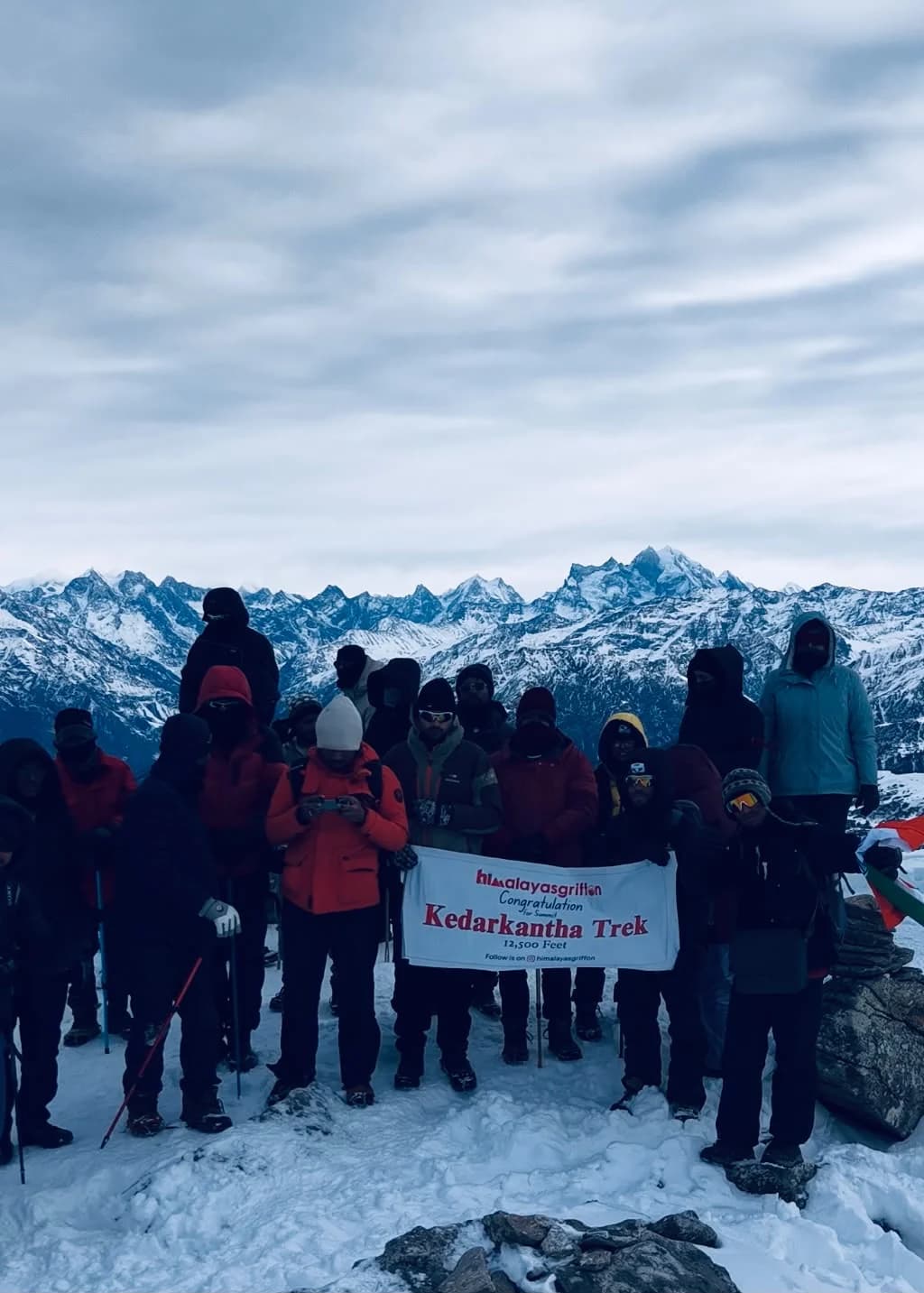
The Kedarkantha Trek is one of the most rewarding winter trekking experiences in Uttarakhand, offering snow-covered trails, peaceful Himalayan forests, beautiful campsites, and breathtaking mountain views. Located in the Govind Wildlife Sanctuary region of Uttarkashi, this trek is an excellent choice for beginners and adventure enthusiasts looking to experience the beauty of the Himalayas.
With its stunning landscapes, manageable trekking duration, and spectacular summit views, Kedarkantha attracts trekkers from across India and beyond. Whether you are planning your first Himalayan trek or looking for a memorable winter adventure, understanding what to expect and how to prepare will help you enjoy the journey safely and comfortably.
At Himalayasgriffon, based in Sankri, Uttarakhand, we believe that a successful trek begins with proper preparation, local knowledge, and respect for the mountains.
What to Experience rom the Kedarkantha Trek
1. Location of the Kedarkantha Trek
Kedarkantha Peak is situated in the Govind Wildlife Sanctuary in the Western Garhwal Himalayas of Uttarakhand. The trek usually begins from Sankri, a picturesque mountain village surrounded by dense forests, traditional Himalayan homes, and magnificent mountain scenery.
Sankri serves as the base village for the Kedarkantha Trek and is approximately 190–200 km from Dehradun by road, depending on the route. The journey generally takes around 8–10 hours or longer, depending on road and weather conditions.
As a locally based trekking company, Himalayasgriffon helps trekkers experience the region with the support of guides who understand the terrain, weather, and local culture.
2. Duration and Trekking Itinerary
The Kedarkantha Trek is commonly completed in 5 days, depending on the itinerary and travel arrangements. A standard 5-day package from Dehradun typically includes the road journey to Sankri, trekking through forest trails, an overnight stay at campsites, the summit attempt, and the return journey.
A typical itinerary includes:
- Day 1: Dehradun to Sankri by road.
- Day 2: Sankri to Juda Ka Talab.
- Day 3: Juda Ka Talab to Kedarkantha base camp.
- Day 4: Early-morning summit attempt and descent towards the lower campsite or Sankri, depending on the itinerary.
- Day 5: Return journey from Sankri to Dehradun.
Some itineraries include an additional night or a different descent plan to allow more time for acclimatization and rest. Always check your selected package for the exact schedule.
3. Snow-Covered Trails and Dense Forests
One of the biggest attractions of the Kedarkantha Trek is its changing landscape. The trail passes through beautiful pine, oak, and other Himalayan forest sections, open clearings, mountain meadows, and snow-covered slopes during suitable winter conditions.
Fresh snowfall can transform the trail into a winter wonderland, making the experience especially memorable for first-time snow trekkers. However, snowfall is weather-dependent and cannot be guaranteed for a particular departure date.
During the trek, you may also encounter icy sections, slippery paths, and cold winds. Proper footwear, suitable clothing, and guidance from experienced trek leaders are essential.
4. Kedarkantha Summit and Himalayan Views
The summit day is often the most challenging and exciting part of the journey. Trekkers generally start early in the morning to reach the summit around sunrise, depending on trail conditions and the pace of the group.
From the summit, clear weather may reveal impressive views of Himalayan peaks, including Swargarohini and other surrounding mountain ranges.
The final ascent can be steep, particularly when snow or ice covers the trail. Maintaining a steady pace, following your trek leader’s instructions, and taking appropriate breaks will help you manage the climb.
Remember that reaching the summit is not the only measure of success. Safety and responsible trekking always come first.
5. Campsite Experience and Mountain Nights
Camping is an unforgettable part of the Kedarkantha experience. Depending on the itinerary, you may stay near Juda Ka Talab and at a designated Kedarkantha base campsite or other approved camping locations.
Evenings in the mountains offer a peaceful atmosphere, star-filled skies when the weather is clear, warm meals, and opportunities to connect with fellow trekkers.
Winter nights can be extremely cold, so a suitable sleeping bag, insulated clothing, warm socks, and a dry set of nightwear are important. Follow your trek operator’s instructions for campsite safety and waste disposal.
6. Difficulty Level and Physical Challenge
Kedarkantha is generally considered an easy-to-moderate trek, making it a popular option for beginners with reasonable fitness. However, it is not effortless. The trail includes long walking days, uphill sections, uneven terrain, and a demanding summit climb.
Snow and ice can increase the difficulty significantly. Your experience will depend on your fitness, weather conditions, altitude response, and the amount of snow on the trail.
You do not need to be an expert mountaineer, but you should prepare your body for several hours of walking each day.
How to Prepare for the Kedarkantha Trek
1. Improve Your Physical Fitness
Start preparing at least 3–4 weeks before your departure, or earlier if you are not regularly active.
Focus on:
- Brisk walking or jogging for 30–45 minutes.
- Stair climbing to strengthen your legs.
- Squats and lunges for leg endurance.
- Basic core exercises for stability.
- Gradually increasing your walking distance and carrying a light backpack.
If possible, practise walking on uneven terrain and include gentle uphill routes. Increase your training gradually rather than attempting intense workouts immediately before departure.
2. Pack the Right Trekking Clothing
Temperatures can vary considerably between Sankri, the campsites, and the summit. Dressing in layers helps you adjust to changing conditions.
Essential clothing includes:
- Thermal innerwear.
- Fleece or warm mid-layer.
- Insulated down or synthetic jacket.
- Waterproof and wind-resistant outer jacket and trousers.
- Comfortable trekking pants.
- Woollen socks and spare pairs.
- Warm gloves and a woollen cap.
- Neck warmer or buff.
- Sunglasses with UV protection.
- A rain cover for your backpack.
Avoid cotton as your primary cold-weather layer because it retains moisture and dries slowly.
3. Choose Suitable Trekking Shoes
Wear sturdy trekking shoes with good grip, ankle support, and enough room for your toes. Break them in before the trek to reduce the risk of blisters.
During snowy conditions, suitable traction equipment may be necessary. Use microspikes or crampons only when appropriate for the terrain and under the guidance of your trek leader. Check which equipment is supplied by your operator before departure.
4. Carry Essential Personal Items
Pack thoughtfully to avoid carrying unnecessary weight.
Your essentials should include:
- A comfortable backpack with a rain cover.
- Reusable water bottles or a hydration system.
- Personal medicines and a small blister-care kit.
- Sunscreen and SPF lip balm.
- A headlamp with spare batteries.
- Toiletries and quick-drying towels.
- Power bank and charging cables.
- Identification and booking details.
- High-energy snacks, subject to your operator’s guidance.
Keep important items protected from moisture, especially your phone, documents, and spare clothing.
5. Prepare for Cold Weather and Altitude
Kedarkantha reaches approximately 12,500 ft (3,810 m), where cold temperatures and reduced oxygen availability can affect your body.
Walk slowly, drink fluids regularly, eat proper meals, and avoid pushing yourself beyond your limits. Follow the trek leader’s instructions and allow time for rest.
Altitude-related illness can occur even in fit trekkers. Headache, nausea, dizziness, unusual fatigue, or loss of appetite should not be ignored. Tell your trek leader promptly if you experience symptoms. Worsening symptoms, confusion, difficulty walking, or breathlessness at rest require urgent medical assessment and descent when indicated.
Do not continue climbing simply to reach the summit.
6. Understand the Weather and Trekking Season
Kedarkantha is popular from December to March for its winter atmosphere, although actual snow conditions vary each year. Spring and autumn can also offer beautiful forest trails and mountain views.
Winter brings the possibility of heavy snowfall, icy paths, road disruptions, and very low temperatures. Before travelling, check the latest weather forecast, road conditions, and any local restrictions.
A responsible trek operator may modify the itinerary or cancel a summit attempt if conditions are unsafe. Flexibility is an important part of mountain travel.
7. Follow Responsible Trekking Practices
The Himalayan environment is fragile. Carry reusable bottles, avoid single-use plastics, take all waste back with you, and respect wildlife and local communities.
Stay with your group, follow marked routes, and avoid disturbing animals or damaging vegetation. Use designated toilet facilities and follow your trek operator’s waste-management instructions.
Responsible trekking helps preserve the natural beauty of Kedarkantha for future generations.
Why Choose Himalayasgriffon for the Kedarkantha Trek?
Himalayasgriffon is a trekking and adventure company based in Sankri, the gateway to Kedarkantha. Our local connection helps us understand the trail, regional conditions, and the importance of responsible mountain travel.
When choosing a trekking operator, look for:
- Experienced trek leaders and local guides.
- Clear information about the itinerary and inclusions.
- Appropriate safety equipment and emergency procedures.
- Honest communication about weather and summit conditions.
- Responsible camping and environmental practices.
- Support before departure and during the trek.
Our aim is to help you experience Kedarkantha with proper planning, local insight, and a genuine connection to the Himalayas.
Final Thoughts
The Kedarkantha Trek is much more than a mountain hike. It is an opportunity to discover peaceful Himalayan villages, walk through beautiful forests, experience mountain camping, and challenge yourself on a rewarding summit trail.
With the right fitness preparation, suitable clothing, reliable trekking equipment, and a safety-first mindset, you can make your journey more comfortable and memorable.
Prepare well, respect the mountains, and let your Kedarkantha adventure begin with Himalayasgriffon.
Ready to plan your Kedarkantha Trek? Contact Himalayasgriffon for upcoming departure dates, itinerary details, package inclusions, and booking assistance